About Spine Boards
DetailedProduct Description:
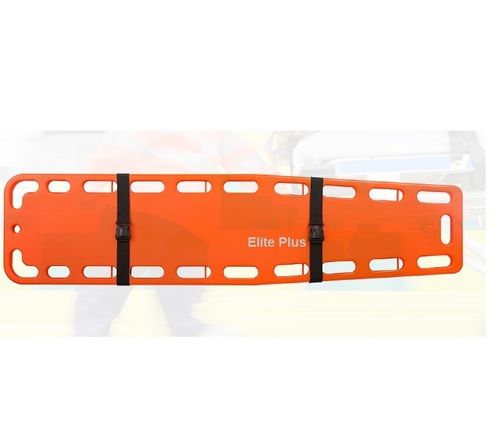
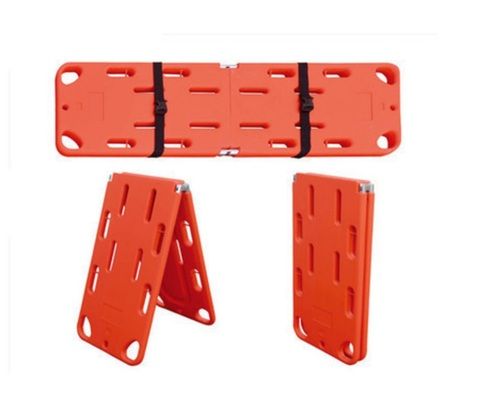
- Spine board is commonly used for safely transporting seriously injured and immobile.
- It can float on water, allowed X-rays and also used together with head immobilizer.
- Made of high strength engineering plastic, this spine board is enduring, anti-aging, weight loading and easy for storage.
- It is a must have in first-aid equipment for medical centers.

Superior Patient Immobilization and CompatibilityEquipped with multiple strap slots, this spine board provides secure immobilization for patients with suspected spinal injuries. It is compatible with most head immobilizer devices and security straps, offering high levels of patient safety and enhancing versatility across medical and rescue applications.
Exceptional Durability and Ease of MaintenanceConstructed from high-density polyethylene, the board withstands harsh conditions, supporting temperatures from -20C to +60C and resisting moisture. Its smooth surface is designed for quick decontamination and disinfection, enabling rapid turnaround in emergency and medical facilities.
Radiolucent and Application VersatilityFully radiolucent, this spine board allows imaging procedures-including X-rays, MRI, and CT scans-without moving the patient. Its practical dimensions and stackable design facilitate efficient storage and handling, making it suitable for use in ambulances, hospitals, sports facilities, and emergency rescue lanes.
FAQ's of Spine Boards:
Q: How is the spine board cleaned and maintained between uses?
A: The spine board can be easily decontaminated and disinfected due to its waterproof and smooth high-density polyethylene surface. Simply wash with approved cleaning agents and disinfectants to ensure it remains safe and hygienic for patient use.
Q: What benefits does the complete radiolucency of the spine board provide?
A: Complete radiolucency enables medical professionals to perform X-ray, MRI, and CT imaging without removing the patient from the board, supporting efficient diagnostics while maintaining spinal immobilization.
Q: When should this spine board be used during patient care?
A: The board is ideal for use in the immobilization and transport of patients with suspected spinal injuries during emergency rescues, ambulance transfers, hospital procedures, and sporting accidents requiring minimal movement of the vertebral column.
Q: Where can this spine board be effectively utilized?
A: It is suited for emergency rescue operations, ambulances, hospitals, sports events, and any settings where spinal injury management and safe patient transfer are priorities.
Q: What is the process for securely immobilizing a patient on the spine board?
A: Place the patient carefully onto the board, then use the multiple strap slots and compatible head immobilizer devices to secure the body, ensuring the patient's spine remains stable during movement or imaging.
Q: How does the spine board support rescuer teamwork during patient transfer?
A: With 14 ergonomically positioned handholds, the board allows multiple rescuers to lift and transfer the patient simultaneously, distributing weight evenly and enhancing safety for both patient and rescuers.
Q: What advantages does the spine board offer for emergency storage and deployment?
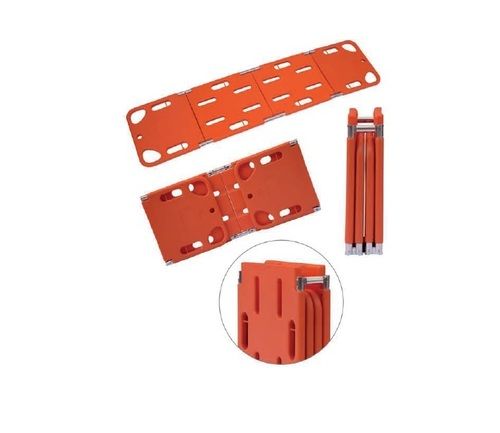
A: Its stackable design allows multiple boards to be stored compactly, making it easy to quickly deploy them during large-scale emergencies or in settings with limited storage space.





 Send Inquiry


 Send Inquiry
 Send Inquiry
 Send SMS